BOOKS
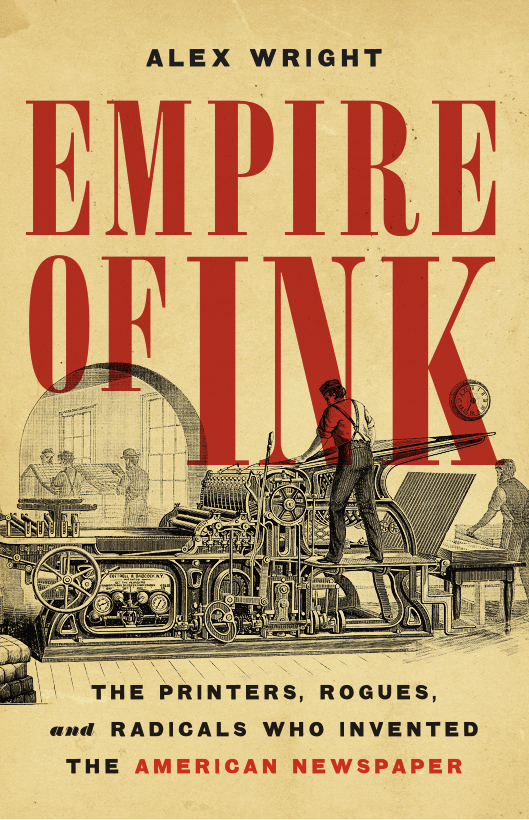
Empire of Ink
A sweeping history of America’s first media revolution: the rise of the newspaper, and the transformation of a fledgling republic into the world’s first information superpower.
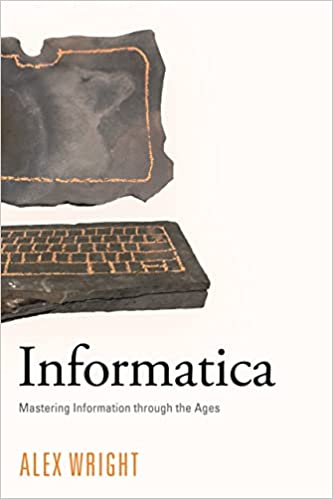
Informatica
Today’s “information explosion” may seem like a uniquely modern phenomenon, but we are not the first generation—or even the first species—to wrestle with the problem of information overload.
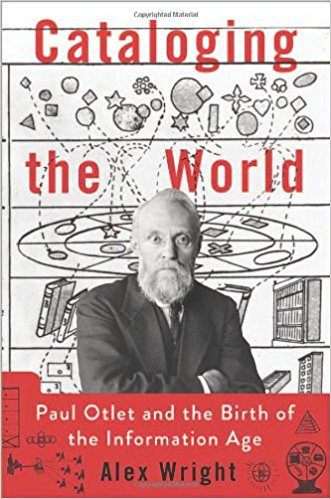
Cataloging the World
The story of Paul Otlet, the visionary Belgian information scientist who dreamed of organizing the world’s knowledge—and, in the early twentieth century, imagined something very much like today’s World Wide Web.
SELECTED ARTICLES
Over the years I have written for The New York Times, The Atlantic, Salon.com, Wilson Quarterly, the ACM, and assorted sketchy websites (like this one). These days I do most of my writing over on Substack. For a full bibliography, see my CV.

Q&A: Empire of Ink
A conversation with veteran journalist Sam Stall about Empire of Ink, media history, and what the past can teach us about the future of journalism.

What 19th-Century Media Can Teach Us About the Future
In an era of change and fragmentation, the history of the early American press shows that media is shaped not only by technology, but by infrastructure, law, and society.

Hot on the Presses
An interview with Steven Heller about the research behind my new book, Empire of Ink.

The 1835 “moon hoax” that turned fake news into big business
America’s penny press transformed journalism in the 1830s, using hoaxes, sensationalism, and mass circulation to create a blueprint for modern media.

The Vanishing Apprentice
AI is transforming the role of the junior developer, but as routine tasks become increasingly automated, how will the next generation of software engineers master the craft of maintaining complex systems?
The Generative Genome
AI is beginning to blur the line between code and biology, prompting concerns about the long-term risk of new viruses and other biological agents.
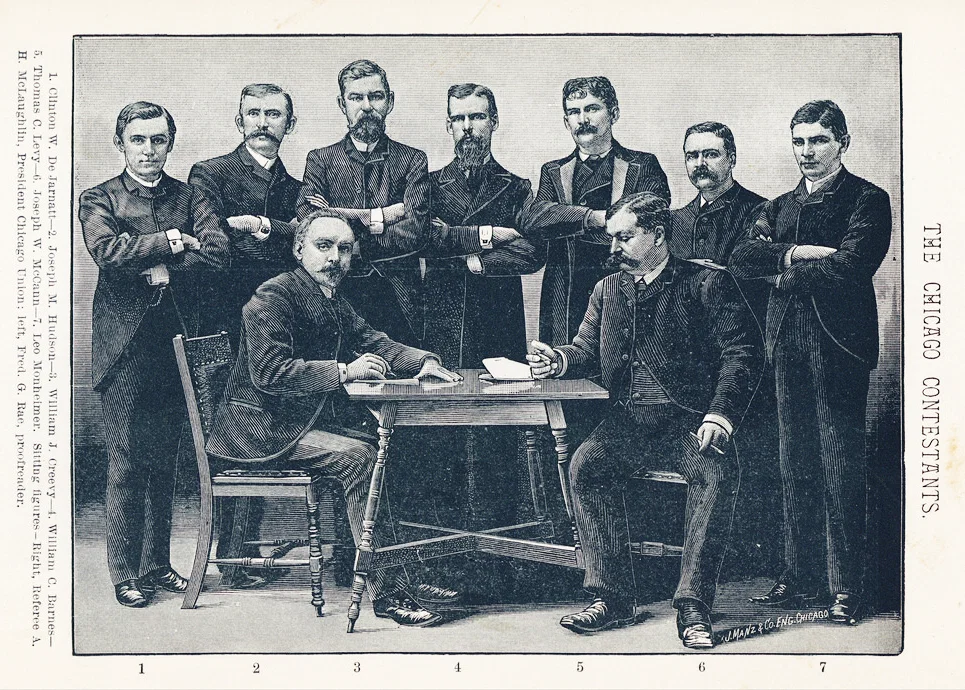
Twilight of the Velocipede
Before Linotype revolutionised typesetting in the 1880s, compositors set texts by hand — and they set them fast. Alex Wright rediscovers the thrilling world of typesetting races, which drew crowds in the thousands, offered huge cash prizes, and helped women “Swifts” fight for workplace equity.
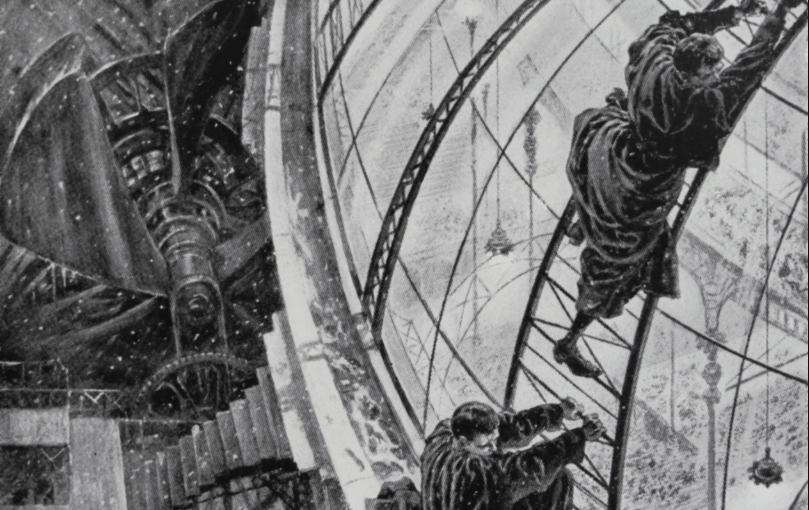
H. G. Wells’s World Brain and the Plight of the Invisible Worker
What a century-old vision of the global network tells us about “ghost” labor and the risks of intellectual totalitarianism in the age of AI
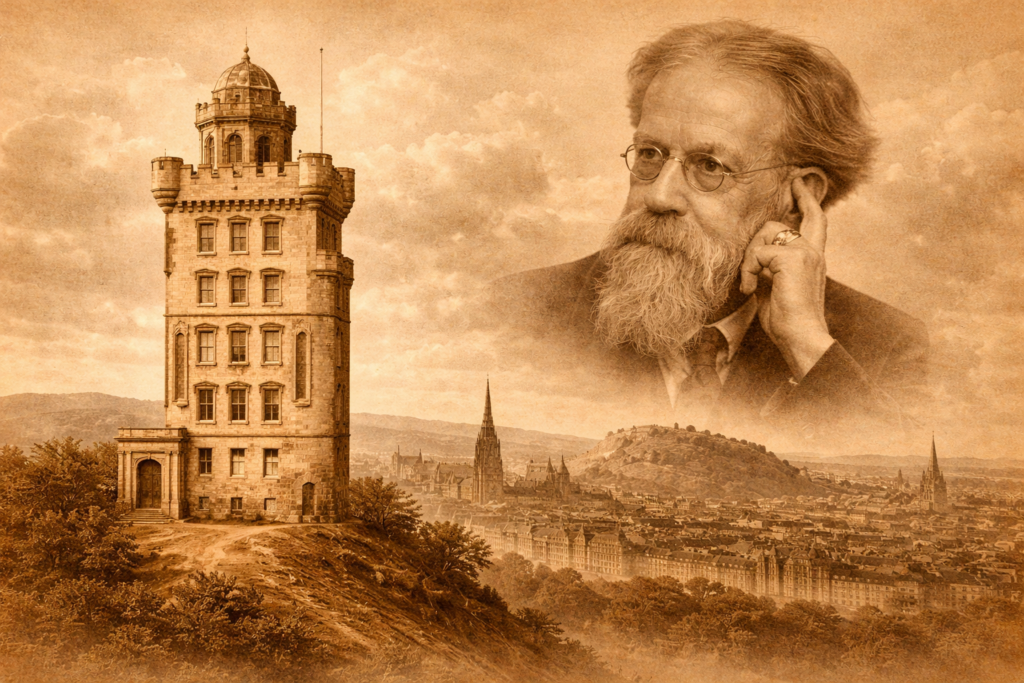
Patrick Geddes: Thinking in Systems
What a nineteenth-century tourist attraction can tell us about the structure of human knowledge, and what happens when there’s too much to know
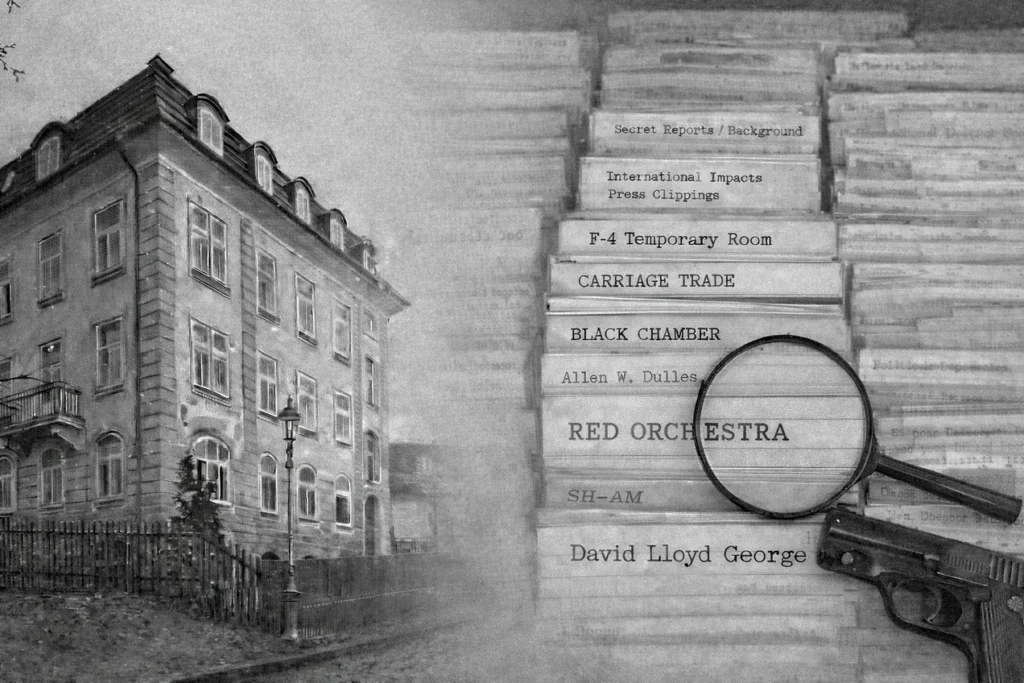
The Spy Who Came In From the Library
When Seeing Isn’t Believing
New research reveals how AI can alter human memories—and reshape our sense of reality

The Moose and the Antelope
The strange tale of two unlikely quadrupeds that helped shape the modern information age.
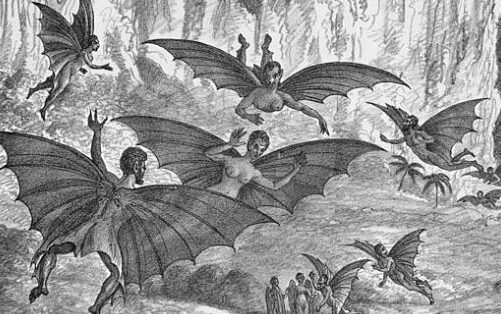
AI Slop Is Older Than You Think
Before chatbots and content farms, the penny press was generating slop at industrial scale. What the nineteenth century can teach us about today’s AI crisis — and what might come next.
A Brief History of Doomscrolling
We tend to think of the “infinite scroll” as a by-product of the smartphone era. But its roots stretch deep into the nineteenth century—a period that has a lot to teach us about today’s attention economy and the rise of LLMs.
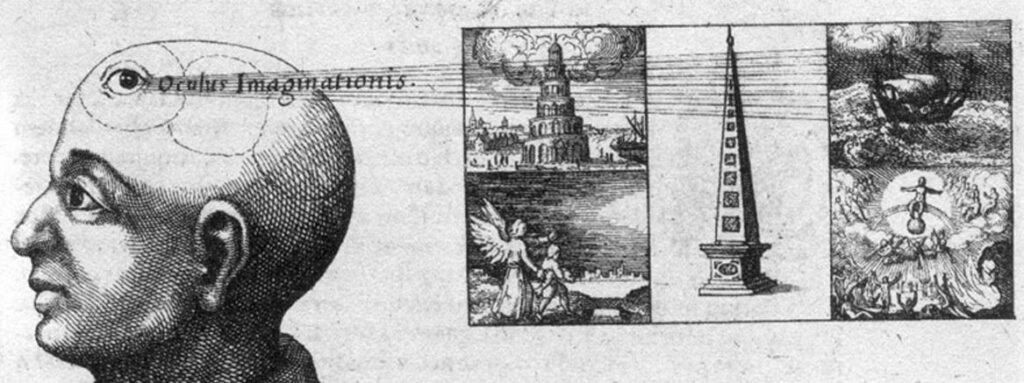
Palaces in the Cloud
In 1532, a charismatic inventor named Giulio Camillo promised a technological breakthrough: a device that would unlock the wisdom of the ages and make it available to the average person. He raised money, impressed the cognoscenti, and dazzled the crowds – and failed to deliver a working product. Sound familiar?
Welcome to Hidden Frequencies
I’m launching a new Substack newsletter, exploring the deep history of the digital age: the forgotten people, inventions, and ideas that continue to shape how we think and communicate.

The Secret History of Data
This week I shared a few remarks at Belgium’s KIKK Festival on new directions in AI-enabled historical research, alongside CUNY’s Peter Aigner. Here’s a rough sketch of my talk.
Eudaimonia
What makes work meaningful, or meaningless? Exploring pathways for UX practitioners to evolve their practices towards more fulfilling, socially engaged ways of working.
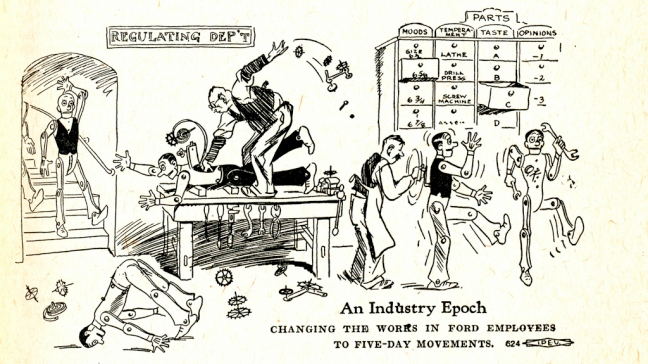
Regenerative UX
UX practice stands at a crossroads, as practitioners increasingly struggle with the escalating pressures of industrial capitalism. How might we envision alternative futures for more a post-capitalist version of UX practice?
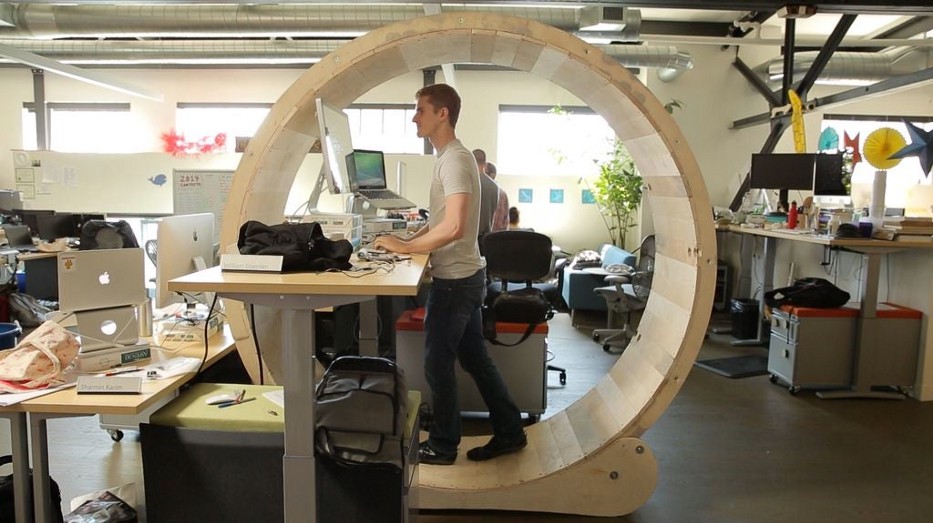
Moving Fast, Thinking Slow
In an increasingly metrics-driven business climate, UX practitioners face escalating pressures to deliver small-scale results. Is there a better way?

Sprinting Towards the Long Term: Teaching Design Futures at SVA
Reflections on teaching a summer course in Design Futures at the School of Visual Arts in NYC.
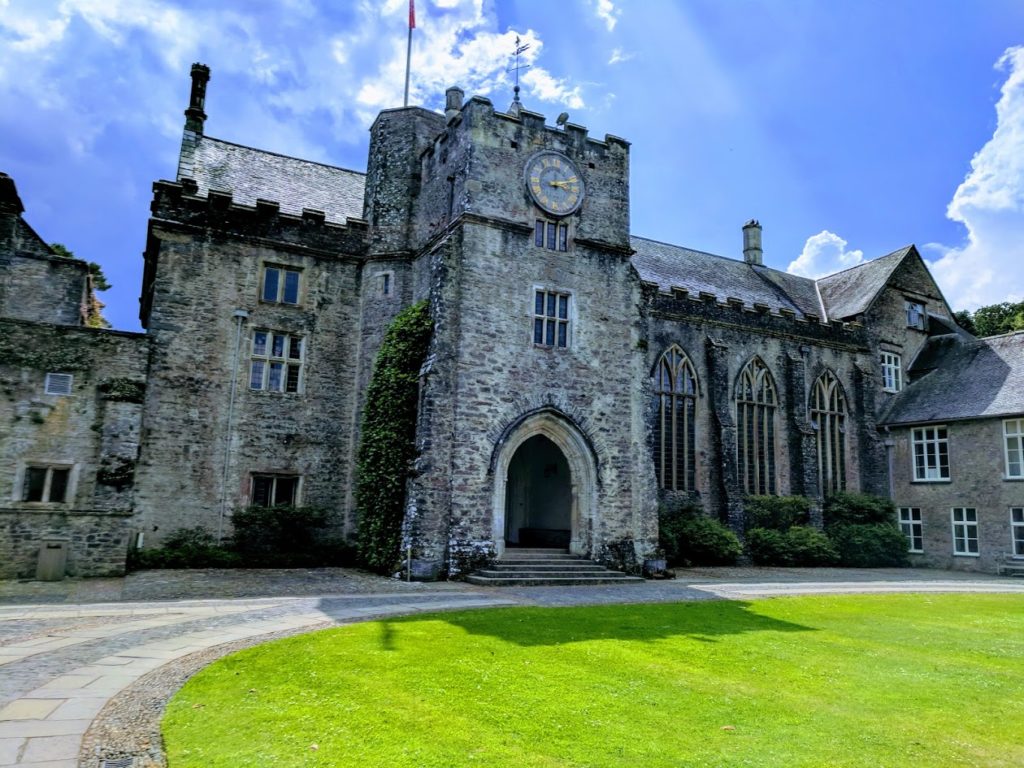
In the Shadow of Schumacher
Reflections on a ten-day course in Transition Design at Schumacher College in the UK.
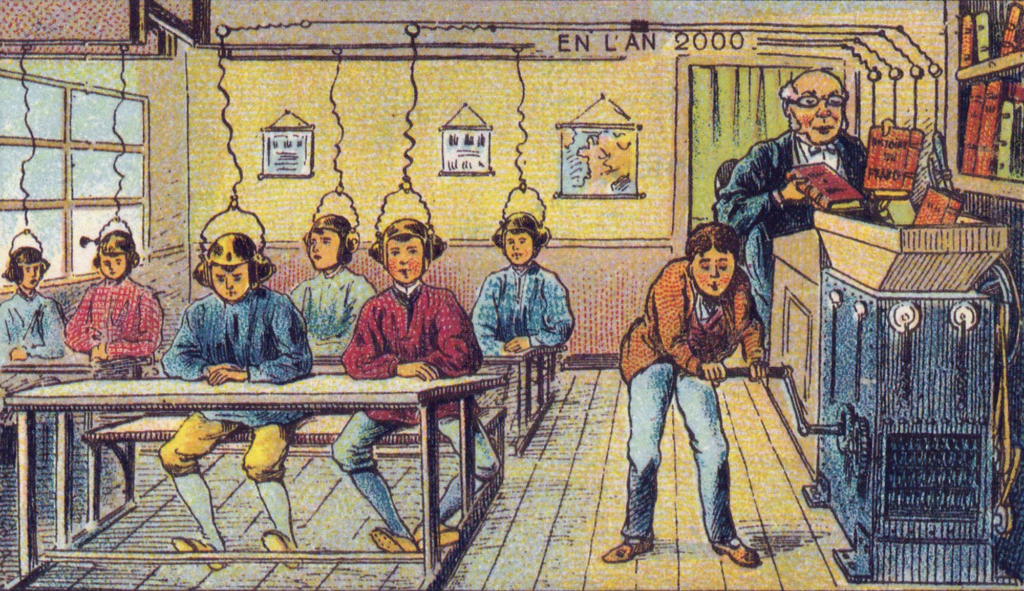
Reimagining the Future of Design Education
Recapping a workshop on the future of design education at the 2018 IxDA Education Summit in Lyon, France.
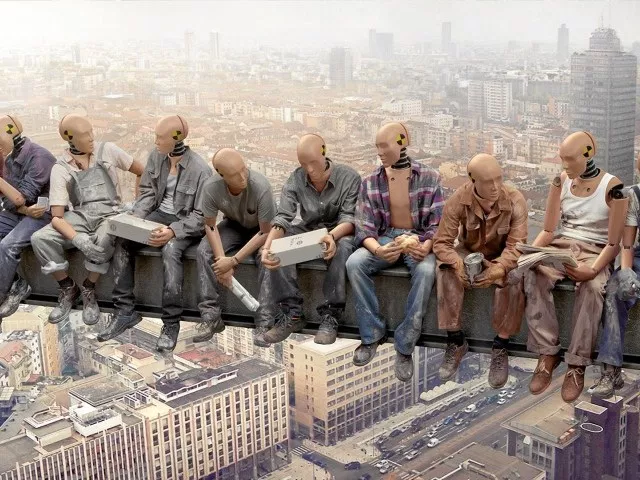
Practical Futuring
What does it mean to do “meaningful” work? According to a recent MIT study, most of us find meaning in our professional lives in highly individual and idiosyncratic ways: one person’s tedium is another’s labor of love.

Samurai, ninjas, and “disabling” design
In his 1905 novel A Modern Utopia, H.G. Wells imagined a future world in which a small group of highly skilled creative workers wielded enormous power over the rest of society. He dubbed this new breed of elite professionals the “Samurai.”
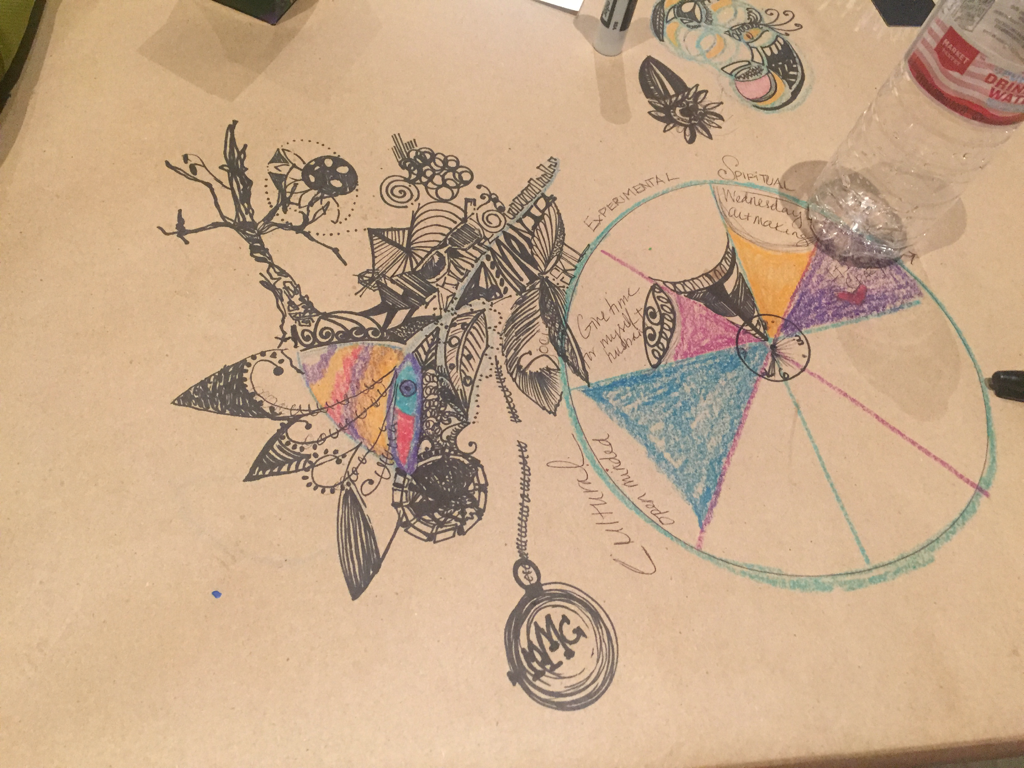
Purposeful work
Good work uses no thing without respect, both for what it is in itself and for its origin …. It does not dissociate life and work, or pleasure and work, or love and work, or usefulness and beauty. — Wendell Berry
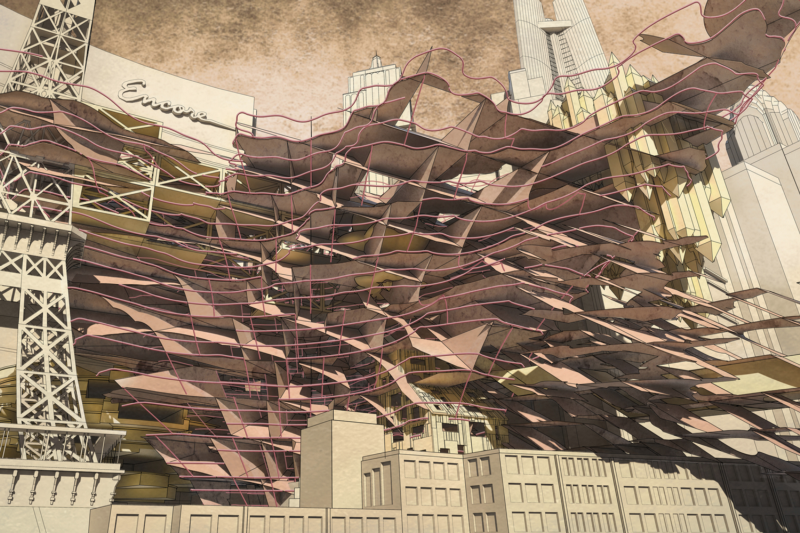
Post-capitalist design
As the global network continues to shrink the distance between producers and consumers, the global economy is also beginning to respond to a set major systemic shocks: climate change, growing income inequality, mass migration, and the rise of populist right-wing nationalism, to name a few.

Reimagining Search
Search engine developers are moving beyond the problems of document analysis, towards the elusive goal of figuring out what people really want.

Robot and Human Actors Take Bows Together
Leading roboticists are teaming up with thespians to produce new and unexpected forms of theatrical performance.
Blog Archives
For more writing, including blog posts and ongoing thoughts, visit the blog archives.